

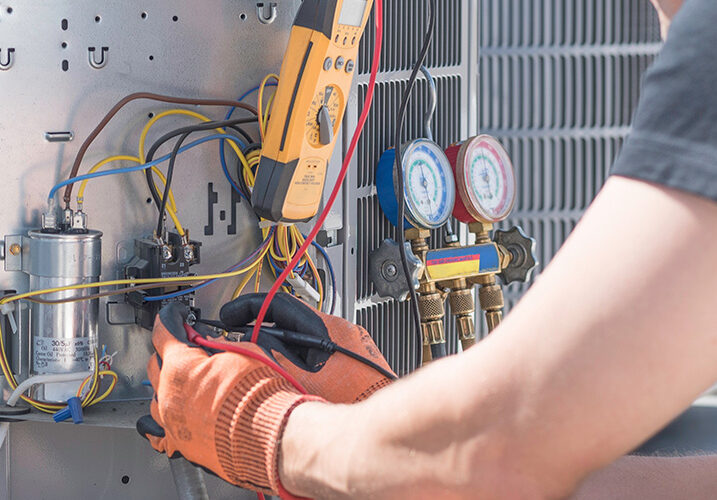
A sudden furnace failure in the middle of a freezing winter night is a stressful experience that can quickly compromise your home comfort and safety. When the temperature indoors begins to drop, it is easy to feel overwhelmed, but having a clear plan of action can help you stay calm and focused. Understanding basic troubleshooting steps and safety protocols is essential for every homeowner who wants to manage a heating crisis effectively.
Before you assume the worst and prepare for a total system replacement, there are several immediate checks you can perform to identify the problem. Often, a minor oversight or a simple tripped switch is the primary cause of the shutdown. However, if your initial efforts do not restore the heat, you will need to contact a professional for an expert furnace repair to ensure the system is handled safely.
Immediate Troubleshooting Steps for Homeowners
The first thing you should verify is the status of your thermostat. It sounds simple, but many emergency calls are resolved by simply replacing old batteries or ensuring the device is set to “Heat” rather than “Cool” or “Fan.” If the screen is blank, the thermostat cannot communicate with the furnace, causing the entire heating cycle to stop. Check that the temperature setting is higher than the current room temperature to trigger a start.
Next, head to your electrical panel and your furnace’s power switch. Furnaces are often on a dedicated circuit that can trip during a power surge or a period of heavy mechanical strain. If the breaker has flipped, reset it once. If it trips again immediately, stop and call for a professional furnace repair service, as this indicates a serious electrical short or a failing motor that could pose a significant fire hazard to your property.
Checking the Building Envelope and Airflow
If the furnace is running but not producing enough warmth, the issue might be restricted airflow. A heavily clogged air filter is one of the most frequent causes of a system lockout. When the filter is caked with dust and pet dander, the heat exchanger can overheat, triggering a safety limit switch that shuts everything down to prevent damage. Sliding in a fresh, clean filter can often reset this cycle.
- Check the Air Filter: A dirty filter restricts the vital breath of your system and is the leading cause of overheating and emergency shutdowns.
- Verify the Gas Valve: Ensure the manual gas valve is in the “On” position, parallel to the pipe, to allow fuel to reach the burners.
- Inspect the Vents: Walk through your home and confirm that no furniture, rugs, or heavy curtains are blocking the supply or return air registers.
- Clear the Exhaust Pipe: For high-efficiency units, check the PVC pipes exiting your home to ensure they are not blocked by drifting snow or ice.
- Reset the Power Switch: Look for a switch that resembles a light switch near the furnace unit and ensure it has not been accidentally toggled off.
Safety Protocols During a Heating Emergency
While waiting for a technician to arrive, your primary focus should be on the safety of your family and the protection of your plumbing. If you smell a distinct “rotten egg” odor, this indicates a gas leak. In this situation, you must leave the house immediately without using any electrical switches or phones inside, as a single spark could ignite the gas. Once safe, call your utility provider and an emergency technician.
To keep your home warm temporarily, keep all interior doors open to allow air to circulate, but keep the doors to unused rooms closed and sealed with towels at the bottom. Use your curtains to your advantage by closing them at night to add a layer of insulation against the glass. If the temperature in the house drops toward freezing, turn on your faucets to a slow drip to prevent your pipes from bursting.
- Avoid Oven Heating: Never use a gas oven or stove to heat your home, as this creates a deadly risk of carbon monoxide poisoning.
- Space Heater Safety: Only use electric space heaters on flat, hard surfaces and keep them at least three feet away from any flammable materials like blankets.
- Pipe Protection: Open cabinet doors under sinks to allow the remaining warmth in the house to reach the plumbing pipes located against exterior walls.
- Stay Hydrated: Drinking warm fluids and wearing multiple layers of loose clothing will help your body maintain its internal temperature more effectively.
- Monitor Alarms: Ensure your carbon monoxide detectors are active and have fresh batteries, especially when using alternative heating sources during a breakdown.
The Long-Term Value of Preventative Care
The most effective way to handle an emergency furnace breakdown is to prevent it from happening in the first place through consistent seasonal care. Most winter failures are the result of small, ignored issues like a dirty flame sensor or a fraying blower belt. Scheduling a professional tune-up in the autumn allows a technician to clean, lubricate, and calibrate your system, ensuring it is ready for the heavy workload of a cold American winter.
Annual inspections also verify the integrity of the heat exchanger. Over time, the metal can develop hairline cracks that allow carbon monoxide to leak into your living spaces. Detecting these issues early protects your health and helps you avoid the high costs associated with emergency after-hours service calls. A well-maintained furnace operates more efficiently, which lowers your monthly utility bills and provides a more consistent, comfortable indoor environment for your family.
Conclusion
Managing an emergency furnace breakdown requires a calm approach to troubleshooting and a strong focus on household safety. Checking your thermostat, circuit breakers, and air filters can often resolve minor issues without professional help. However, for gas smells or persistent electrical problems, seeking expert furnace repair is the only safe way to restore your home comfort. By protecting your pipes and using space heaters responsibly, you can stay safe until help arrives. Ultimately, routine maintenance remains the best strategy to ensure your heating system functions reliably throughout the entire winter.
