

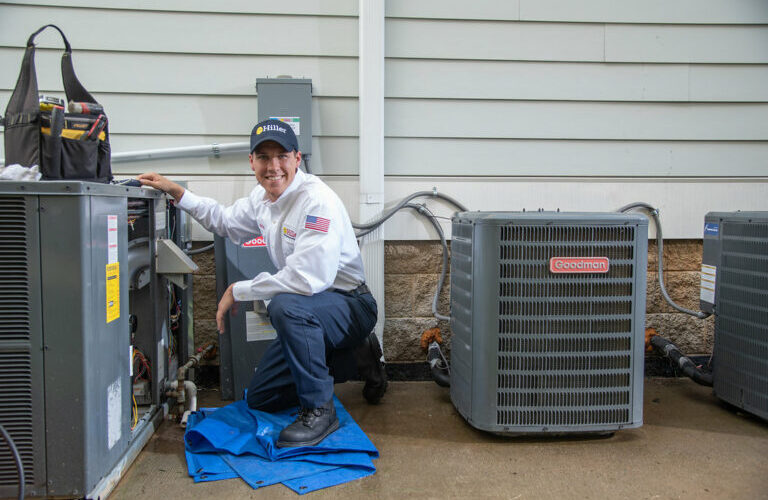
Your HVAC system is running, the thermostat is set correctly, and yet your home still doesn’t feel as comfortable as it should. Maybe some rooms are too warm while others stay chilly, or perhaps the system seems to run constantly without maintaining the temperature you want. These problems can be frustrating, especially when your equipment appears to be working normally.
In many cases, the issue isn’t that the HVAC system has stopped working, it’s that something is preventing it from operating efficiently. Small problems with airflow, insulation, or the equipment itself can affect your home’s comfort without causing a complete breakdown. If your system continues to struggle, scheduling professional HVAC repair Bowling Green, OH can help identify the cause before it leads to more extensive repairs.
1. Your Air Filter May Be Restricting Airflow
A clogged air filter is one of the most common reasons an HVAC system struggles to keep a home comfortable. As the filter collects dust, pet hair, and other airborne particles, it gradually blocks airflow. The system continues running, but less conditioned air reaches your living spaces.
Why It Affects Comfort
Restricted airflow forces your HVAC system to work harder while delivering less heated or cooled air throughout the home. You may notice weaker airflow from vents, uneven temperatures, or longer heating and cooling cycles. Replacing the air filter regularly is one of the simplest ways to improve both comfort and system efficiency.
2. Your Thermostat May Not Be Working Properly
The thermostat controls when your HVAC system turns on and off. If it’s not reading the indoor temperature accurately or isn’t communicating correctly with the system, your home may never reach the desired temperature.
Check the Thermostat Settings
Before assuming there’s a larger problem, confirm that the thermostat is set to the correct mode and temperature. If it uses batteries, replacing them may solve the issue. Older thermostats or poorly placed units located near windows or direct sunlight can also provide inaccurate temperature readings.
3. Air Leaks Could Be Letting Comfort Escape
Even an efficient HVAC system can’t maintain comfortable indoor temperatures if conditioned air is constantly escaping. Small gaps around windows, doors, attic openings, and other areas allow heated or cooled air to leak outside while outdoor air enters the home.
Small Drafts Can Have a Big Impact
Air leaks may seem minor, but together they can significantly affect comfort and energy efficiency. Sealing gaps with weatherstripping or caulk helps your HVAC system maintain a more consistent indoor temperature without working as hard.
4. Your Ductwork May Have Hidden Problems
Your ductwork carries heated and cooled air throughout your home. If sections of the duct system are leaking, disconnected, or blocked, conditioned air may never reach certain rooms.
Uneven Temperatures Often Point to Duct Issues
If one room is consistently warmer or cooler than the rest of the house, damaged ductwork may be part of the problem. Leaking ducts also reduce efficiency because some of the conditioned air escapes before reaching its destination.
Professional Inspection Can Identify Hidden Leaks
Because much of the ductwork is located behind walls, in attics, or inside crawl spaces, problems aren’t always visible. A professional inspection can help determine whether damaged ducts are affecting your home’s comfort.
5. Dirty HVAC Components Reduce Efficiency
Your HVAC system depends on clean components to operate properly. Over time, dust and dirt can accumulate on evaporator coils, condenser coils, and blower components, making the system less efficient.
Dirt Makes the System Work Harder
When important components become dirty, the system must run longer to achieve the same results. This often leads to higher energy bills and reduced indoor comfort, even though the equipment continues operating.
Routine maintenance helps keep these components clean and allows your HVAC system to perform at its best.
6. Your Home May Need Better Insulation
Insulation works together with your HVAC system to keep indoor temperatures stable. If your home lacks adequate insulation, heated or cooled air escapes more quickly, making it difficult to maintain a comfortable environment.
Heat Transfer Happens Faster Than You Think
During summer, heat enters your home more easily through poorly insulated walls and attics. In winter, warm indoor air escapes just as quickly. Improving insulation helps your HVAC system maintain consistent temperatures while reducing unnecessary energy use.
7. Your HVAC System Could Be the Wrong Size
An HVAC system that’s too small may struggle to keep up with your home’s heating and cooling demands. On the other hand, a system that’s too large can cycle on and off too frequently, preventing consistent temperatures and proper humidity control.
Proper Sizing Makes a Difference
Choosing the correct system size depends on several factors, including your home’s square footage, insulation, window placement, and overall layout. An HVAC professional can evaluate whether your current system is appropriately sized for your home.
8. Your System May Need Professional Maintenance
Many comfort problems develop gradually and aren’t always obvious to homeowners. Worn components, electrical issues, refrigerant problems, or airflow restrictions can all reduce system performance without causing a complete breakdown.
Regular Maintenance Helps Prevent Bigger Problems
Annual HVAC maintenance allows technicians to inspect important components, identify developing issues, and make adjustments that improve overall performance. Regular service not only helps maintain comfort but can also reduce energy consumption and extend the life of your equipment.
Don’t Ignore Small Changes
If you’ve noticed unusual noises, longer operating cycles, rising utility bills, or rooms that never seem comfortable, don’t assume the problem will go away on its own. Addressing these changes early often prevents larger repairs later.
Final Thoughts
If your HVAC system is running but your home still doesn’t feel comfortable, the problem may not be as complicated as it seems. Issues like a dirty air filter, thermostat problems, leaking ductwork, poor insulation, or overdue maintenance can all reduce your system’s ability to heat or cool your home effectively.
Taking the time to identify the underlying cause can improve comfort, increase energy efficiency, and help prevent unnecessary wear on your HVAC equipment. When simple troubleshooting doesn’t solve the problem, a professional inspection can provide the answers needed to restore reliable heating and cooling throughout your home.
